
Restaurant Menu Analytics: What to Track and How to Use It
A paper menu tells you nothing about how it is used. Here is what a digital menu can measure, what your till adds, and how to turn both into better menu decisions.
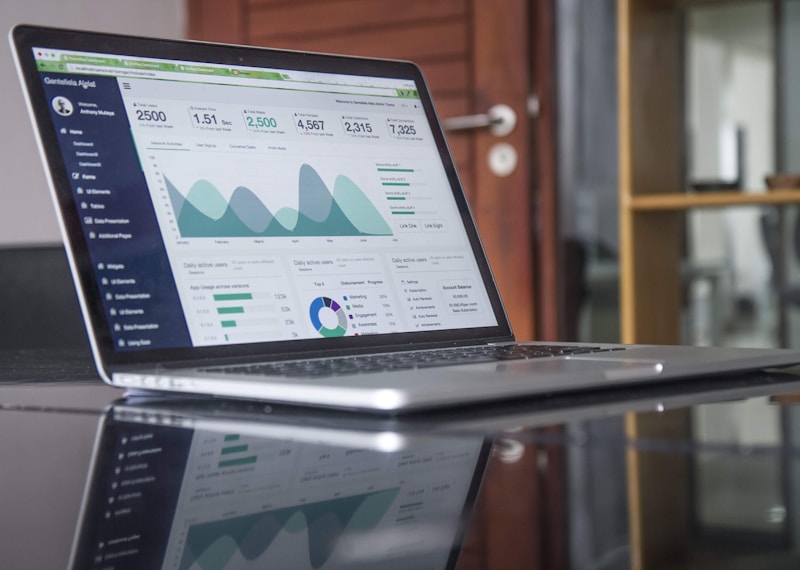
Restaurant menu analytics means measuring how guests use your menu and what they order from it, then using those numbers to decide prices, dishes and staffing. You cannot measure a paper menu: you never know how many people read it, or when. A digital menu counts every time it is opened, so for the first time you can see when guests are looking at your menu, how that changes through the week and the season, and whether a change you made moved anything. Combine that with the sales data from your till and you have everything menu engineering needs.
Two sources of menu data
- Your digital menu: how often the menu is opened, on which days and at which hours. This tells you about attention and demand.
- Your till (POS): what was actually ordered, how often and at what price. This tells you about sales.
Neither is complete alone. Menu visits without sales data tell you guests are looking but not what they chose; sales without visits tell you what sold but not when guests were deciding.
Can you track how many times a QR menu is scanned?
Yes. Every scan opens the menu in the guest's browser, and a digital menu platform can count each opening as a visit. In doXmenu the analytics screen shows your total menu visits per day, your peak day, the trend with a 7-day rolling average, and a busiest-hours heatmap by weekday and hour. You can export the numbers as CSV or as an image.
The menu numbers that matter
- Visits per day: your baseline. Watch it through the week and across the season.
- Busiest hours: when guests actually look at the menu. On doXmenu, menu traffic climbs 30 to 60 minutes ahead of kitchen peaks, as guests browse before and right after sitting down (doXmenu first-party data, June 2026). Use it to plan staffing and prep.
- Peak day and trend: whether a promotion, a new season or a change on your Google profile moved anything.
- Visits compared with covers: if visits rise while covers stay flat, guests are finding your menu online and not coming in. Check your prices and photos.
The sales numbers that matter
- Sales per dish: how many of each dish you sell per week.
- Contribution margin per dish: the price minus the ingredient cost. This, not the food cost percentage, is what pays the rent.
- Category mix: how sales split between starters, mains, desserts and drinks.
Menu engineering: turning data into decisions
Menu engineering sorts every dish by two numbers, how popular it is and how much it earns, into four groups:
- Stars: popular and profitable. Keep them, feature them, do not change the recipe.
- Plowhorses: popular but low margin. Raise the price slightly, adjust the portion or change a costly ingredient.
- Puzzles: profitable but rarely ordered. Give them a better photo, a better description or a better position on the menu.
- Dogs: neither popular nor profitable. Replace or remove them.
Run it once a season. It takes an afternoon with your till export and a spreadsheet, and the price and placement changes it suggests can be made on a digital menu the same day.
Acting on what you find
- A puzzle dish needs a photo and a sharper description before you give up on it.
- A plowhorse can often take a small price rise without losing orders.
- If menu visits peak an hour before your kitchen does, prep and staff for that hour.
- Change one thing at a time and compare two weeks before and after, or you will not know what worked.
Frequently asked questions
What is restaurant menu analytics?
Restaurant menu analytics is measuring how guests use a menu and what they order from it, then using those numbers to set prices, choose dishes and plan staffing. A digital menu supplies the visit data and the till supplies the sales data.
Can you track how many times a QR code menu is scanned?
Yes. Each scan opens the menu and a digital menu platform counts it as a visit. doXmenu shows visits per day, the peak day, the trend and a busiest-hours heatmap, with CSV export.
What is menu engineering?
Menu engineering sorts dishes by popularity and profitability into stars, plowhorses, puzzles and dogs, and uses that to decide which dishes to feature, reprice, rework or remove.
Which menu metrics matter most?
Sales per dish and contribution margin per dish from your till, plus menu visits and busiest hours from your digital menu. Together they show what sells, what earns and when guests are deciding.
Start measuring the menu you already have. Try doXmenu free for a month, analytics included in every plan.


